
Not all cannabis is created equal. When cannabis isn’t grown or handled carefully, the quality suffers, and you end up wasting good money on bad weed. Is there an easy way to tell if weed is good or bad? Fortunately, we’re here to help.
Whether you’re new to cannabis or just want a better buying experience, we’ll walk you through how to spot quality flower, what those lab results really mean, how to store your bud right, and why expert cultivation makes all the difference. By the end, you’ll be ready to shop smarter and more confidently. Ready for a taste of high-quality bud?
Good vs Bad Weed at a Glance: Good cannabis is fresh, aromatic, and sticky with trichomes, while bad weed often looks dull, smells off, or feels too dry or too wet. Trust your senses—sight, smell, and touch—to spot mold, poor curing, or weak buds. For extra assurance, check a product’s Certificate of Analysis (COA) to confirm cannabinoid levels, terpene profiles, and safety tests. Store your flower in a cool, dark, airtight container to keep it potent and flavorful once you bring it home from the dispensary.
Look Closely: Visual Cues of Excellent Weed
It’s easy to forget it, but cannabis is an agricultural product, just like fresh fruit and vegetables. And just like you wouldn’t buy wilted lettuce or bruised apples, you shouldn’t spend your money on weed that doesn’t look right.
So what does quality cannabis flower actually look like? Start with color. Good flower is often a vivid green, sometimes mixed with purples and other hues. Ideally, your bud should have a dusting of frosty-looking trichomes, the miniature glands that produce the bulk of the plant’s cannabinoids and terpenes.
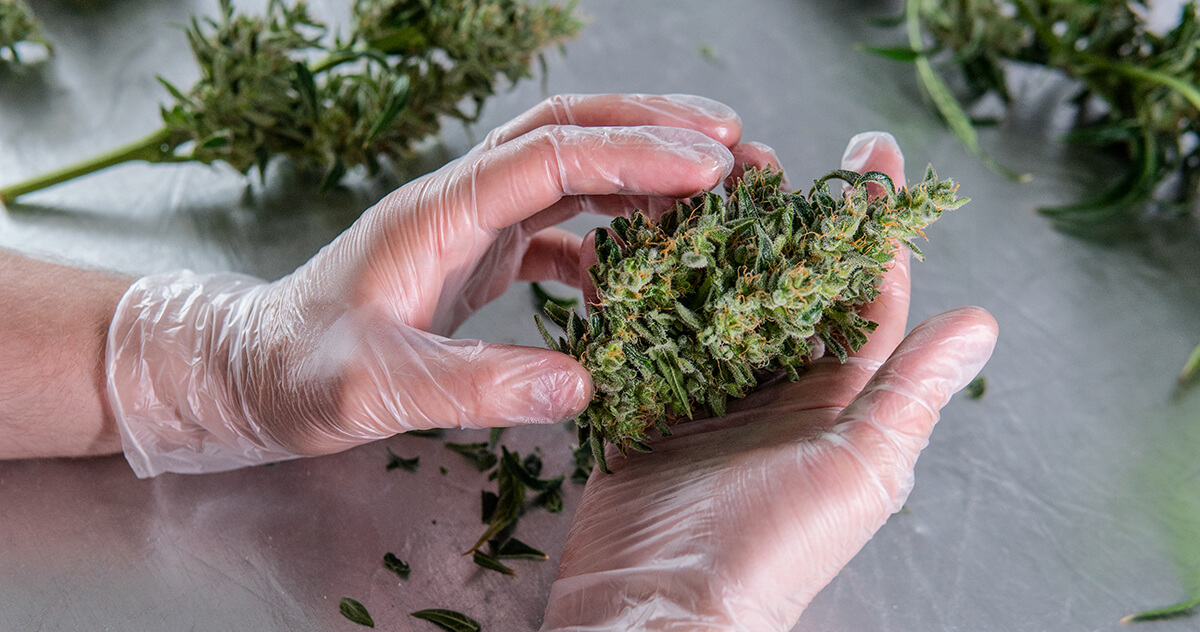
Now picture this: One bud is dense, sticky, and bright; the other’s pale, dry, and covered in stems. You know which one’s worth your money. Here are a few other visual red flags to watch for:
- Mold: Look for white, grey, or dark blotches that stand out from the usual sparkle of trichomes.
- Seediness: Excessive seeds or stems can indicate stress during cultivation. Not a danger, but definitely not ideal.
- Poor structure: Loose, airy buds may not deliver the full experience you’re after.
Bottom line? Your eyes can tell you a lot. Trust them.
Follow Your Nose: What Good Cannabis Smells Like
Though our sense of smell is often overlooked, it’s one of the best tools you have for assessing quality buds. What does good weed smell like? Begin with the terpenes, the aromatic oils that give each strain its distinctive flavors and aromas.
Terpenes produce a vast range of aromas, ranging from citrus to pine, roses, and diesel fuel, and beyond. The strength of the aroma—its “loudness”—can be a tipoff to especially potent weed. That’s thanks to the entourage effect, the phenomenon by which different compounds in cannabis strengthen or modulate each other’s effects. If your weed smells good and is richly aromatic, you’re likely to have a powerful and impactful experience.
That said, not all smells are good ones. If your weed has a musty, hay-like, or sour smell, what you’re smelling is mold. And more than being unpleasant, it can be dangerous to your health. Some studies suggest that those fungi can cause serious harm to your lungs and bloodstream. When in doubt, throw it out.
What if your cannabis doesn’t smell at all? That’s a tip-off that your weed is over the hill. If you can’t smell those vibrant terpenes, it’s a sure sign you won’t taste them, either. When it comes to flower, vibrant scent equals vibrant experience. Let your nose lead the way.
Feel It Out: The Touch and Texture of Quality Cannabis
Touch is another underrated sense when it comes to spotting good cannabis, and it can tell you more than you might think. In the world of the art and science of weed curing, moisture content is critical when it comes to preparing cannabis for consumption.
At Seed of Life Labs, we pay close attention to moisture, cure, and structure in every batch we grow and trim. The goal? Bud that’s potent, flavorful, and ready to burn cleanly, without being too wet or too dry. The idea is to maximize potency and flavor by providing the plants with proper water, light, and nutrients, while also ensuring that the harvested plants have the ideal moisture content for safe storage.
What high-quality weed feels like is slightly sticky, springy, not brittle or too wet, and with a slight snap when a stem is pulled away from the flower. The “snap test” is a crucial method of assessing weed cure and overall quality for many growers.
Moisture is a key indicator of quality, and it has a straightforward bearing on the smoking experience. Flower that contains too much moisture will produce an inconsistent burn and pose a danger to mold colonies; the smoke it produces will taste raw and unpleasant. Overly dried weed tastes harsh, with few of the characteristic terpene flavors we cherish in high-quality weed.
Here’s a test: If rubbing a little weed between your fingertips produces noticeable wetness or moisture, it’s a sign that something’s gone wrong either in the curing process or the storage conditions. The right texture sets the stage for smooth smoke, rich flavor, and a better experience from start to finish.
What Is a COA? How Lab Reports Reveal More Than Just THC
There’s another way to assess high-quality weed, and that’s by reading the Certificate of Analysis (COA). A COA is an official document that verifies that a specific cannabis product has been tested for chemical makeup, potentially harmful compounds, and other must-know info. Here’s what to look out for when reading them.
- Content of THC, CBD, and other cannabinoids: Sometimes described as the core of the cannabis experience, cannabinoids are the major “active ingredients” found in the plant. A COA will tell you precisely how much intoxicating THC, active CBD, and other compounds there are in a given product.
- Terpene profiles: Terpenes contribute both to the flavors and aromas of cannabis and may also shape the overall experience.
- Pathogen tests: A COA should contain any traces of pesticides, mold, heavy metals, or residual solvents found in a given product. It’s your best bet of being sure what you’re smoking is clean and safe.
Curious about checking out lab results yourself? We’ve got you covered. At Seed of Life Labs, we keep COAs on hand for everything we sell, and we’re always happy to walk you through them. You can usually find COAs on brand websites too, but if you’re ever unsure, just ask.
Want a deeper dive into how lab testing works and why it matters when picking quality cannabis? Check out our full guide to understanding cannabis lab results.
The Cultivation Connection: What Goes Into Growing High-Quality Bud
Top-shelf cannabis doesn’t happen by accident. It’s the result of thoughtful growing, careful harvesting, and proper curing, all done with purpose. For high-quality cannabis, every grow should begin with strong genetics and optimal conditions: lighting, balanced nutrients, and effective pest control.
From seedling to harvest, Seed of Life fine-tunes every input to help each plant thrive. After harvest, we take the time to hand-trim our buds in small batches. It’s slower than machine-trimming, but it preserves the delicate trichomes, resulting in a cleaner, more flavorful experience.
When cultivators cut corners in the growing, harvesting, and curing stages, it can show up in the final product. Poor nutrient use contributes to reduced potency and flavor, and improper drying can destroy even the most carefully grown cannabis by propagating mildew or mold.
Want to learn more about what it takes to grow high-quality plants? Check out our guide to cannabis cultivation.
How Even Good Weed Can Go Bad
From our perspective, there’s nothing worse than carefully cultivated, high-quality weed going bad due to poor storage conditions. Heat, light, oxygen, and moisture are all enemies of fresh cannabis. Here are some real-world tips on how to avoid the heartbreak of moldy weed buds.
- Keep it Cool: While all the cannabis we grow and sell is carefully tested and screened, flower makes a hospitable environment for spores. Store your cannabis in a cool, dry place to avoid unwanted guests.
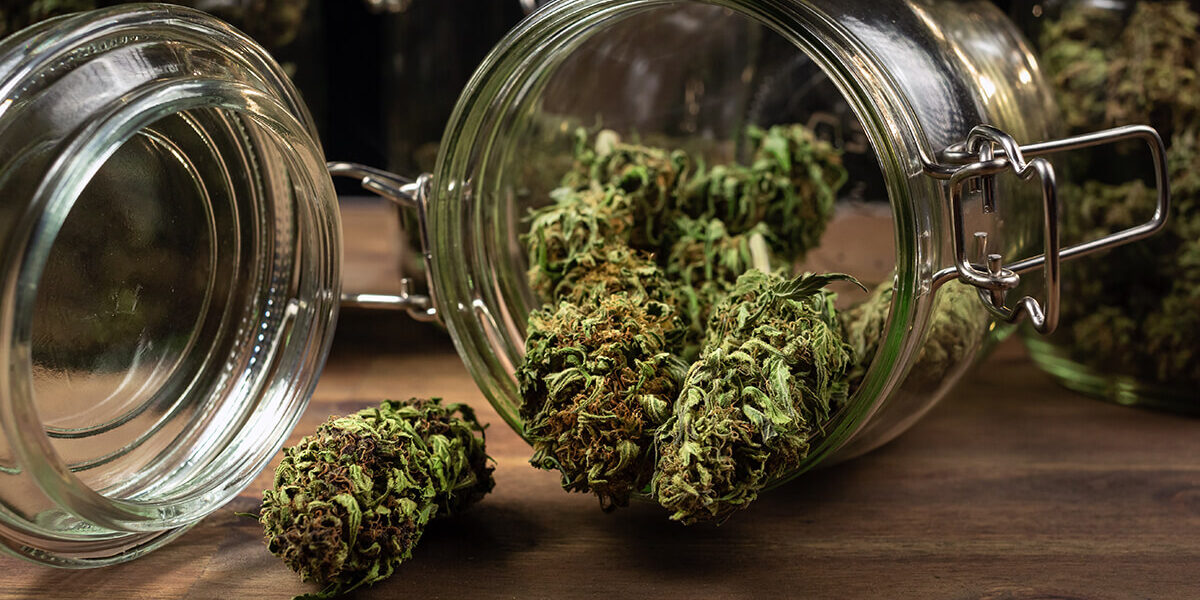
- Embrace the Darkness: The terpenes in top-quality flower are especially sensitive to light. We recommend storing your stash in a lightproof container, such as a UV-resistant jar, placed inside a drawer. On a similar note, odor-proof containers help keep the aroma where it belongs: With your weed, not your sock drawer.
- Control Your Humidity: Ideally, weed should be stored in a relative humidity of 55% – 62%. If you don’t have access to a humidity-controlled environment, humidity packs such as those made by Boveda are an inexpensive option that release or absorb moisture as needed to maintain a consistent level.
- Watch the Clock: Remember that weed is an agricultural product, so don’t sit on your stash. Since THC degrades over time, we recommend you use your flower within six months at most.
Even the best bud can lose its punch if it’s not stored properly. That’s why it pays to treat your stash with care, just like we do during cultivation and curing. A little attention to storage goes a long way toward protecting your investment and preserving the full flavor, aroma, and effects of your flower. Keep it cool, dark, and dry—and enjoy it while it’s fresh. You (and your lungs) will thank you.
Can Weed Go Bad?
Yes. Over time, cannabis can lose potency, flavor, and aroma, especially if exposed to oxygen, heat, or light. Old weed becomes dry and harsh, while improperly stored bud can harbor potentially toxic mold.
What Does Moldy Weed Look Like?
Moldy weed often has white, gray, or fuzzy spots that appear distinct from frosty trichomes. In addition to a discolored or powdery appearance, moldy buds usually have a musty or sour smell, rather than a fragrant one. Some molds are toxic, so if you suspect your weed’s gone moldy, don’t smoke it!
How to Choose High Quality Cannabis: From Brands to Dispensaries
If you want great cannabis, start with a great source. Shopping from a licensed dispensary, such as Seed of Life, is your best path to obtaining carefully cultivated, third-party tested, and flavorful, high-quality cannabis. Knowing what you do about how proper curing, time, temperature, and exposure to the elements all impact weed quality, choosing locally grown products helps ensure your bud hasn’t been sitting in a warehouse or traveling long distances before it hits the shelf.
We’re proud to grow some of Montana’s finest cannabis, but no matter what brand you go with, you deserve to know what you’re getting. Ask for lab results, read labels, and don’t be afraid to ask your budtender questions. And above all—trust your senses. Quality cannabis speaks for itself.
Trust Your Senses, Not Just the THC
It’s tempting to think about cannabis just in terms of its potency, but there’s much more to the story than THC levels. High-quality weed should look, smell, and taste fresh and appealing. The good news? You don’t need to be a connoisseur to tell the difference.
If you’re learning how to spot quality cannabis, start with your senses and keep the tips in this guide close. The more informed you are, the better your experience will be. When you’re ready to put that knowledge to use, we’ll be here, growing, curing, and stocking Montana-grown flower you can see, smell, and feel good about. Come by your local Seed of Life Labs in Montana—we proudly serve nearby communities including Bridger, Forsyth, Hathaway, Lockwood, and Sidney. We also serve customers from North Dakota, with a nearby dispensary just minutes away from the border—making it easy to access the quality cannabis you deserve.
Good vs Bad Weed: FAQs
How can you tell if weed is good quality?
High-quality cannabis typically features frosty trichomes, bright green or purple hues, a strong aroma, and a sticky yet springy texture. Dull, dry, leafy, or odorless buds are signs of lower quality. Always check for mold spots or chemical smells.
What does moldy weed look like?
Moldy weed often exhibits white, gray, or fuzzy spots that differ from the frosty trichomes. It may also appear discolored, powdery, or damp. Moldy buds usually smell musty or sour, rather than fragrant. Never smoke cannabis if you suspect mold.
Can weed go bad over time?
Yes. Cannabis can lose potency, flavor, and aroma if exposed to air, heat, or light. Old weed becomes dry and harsh, while improperly stored bud can grow mold. Use airtight containers and humidity packs to keep flower fresh for longer.
What does good weed smell like?
High-quality cannabis has a strong, pleasant aroma driven by its terpene profile, often citrusy, piney, earthy, or skunky. If flower has little to no scent or smells like hay, mildew, or chemicals, it’s likely poor-quality or unsafe.
What is a COA in cannabis?
A Certificate of Analysis (COA) is a lab report that shows a strain’s cannabinoid levels, terpene profile, and safety test results for pesticides, mold, or heavy metals. Licensed dispensaries and trusted brands provide COAs so consumers can verify quality. Once you take your weed home, make sure you’ll storing it in a cool, dark place to ensure it maintains its quality.